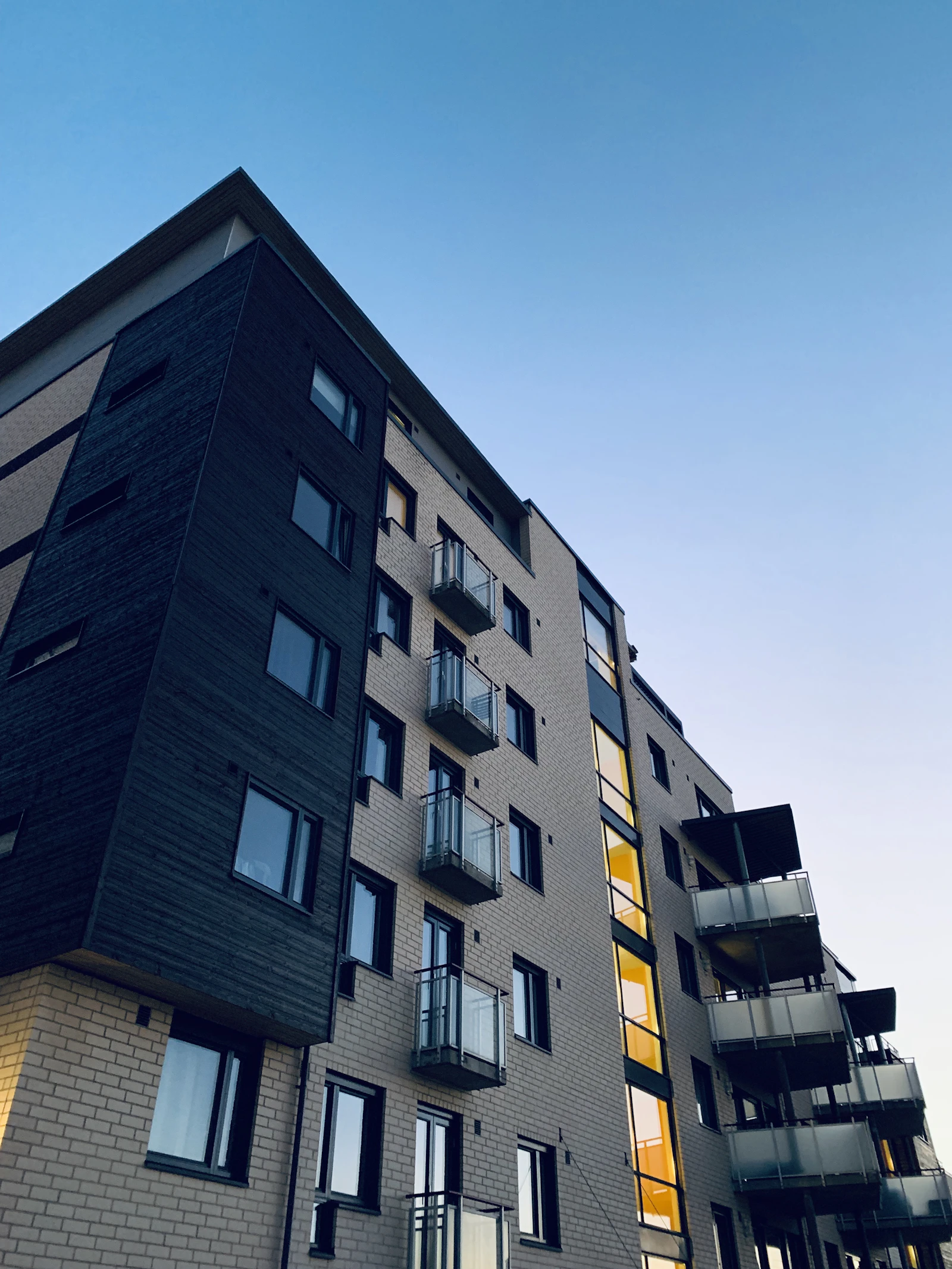

The frameless glass railing — that magical-looking installation where glass appears to float without any visible hardware — is having a moment in luxury residential. But it's not always the right choice. Here's how we help clients decide.
The look
Frameless is visually purer. The glass is the entire railing. There's no top rail, no posts, no visible structural hardware. The eye reads straight through to the view. It's the right call for waterfront residences, mountain decks, penthouse terraces — anywhere the view is the product.
Framed glass (with a top rail and concealed channel) is still beautiful but reads as architecture rather than disappearing. It works better in urban contexts where the railing is part of the building's expression rather than a window onto a view.
The engineering
Frameless glass railings work because the glass itself is the structure. We use thicker tempered laminated glass (21.52mm or 25.52mm with SGP interlayer) set into a continuous aluminum or stainless shoe channel. The shoe holds the glass like a foundation; the glass cantilevers up.
This requires more engineering attention than framed glass. The shoe channel attachment to the structure must be substantial. The glass must be sized for the worst-case wind load with significant safety factor. And the foundation/slab condition must be capable of taking the cantilever moment.
The cost
Frameless typically runs 40–60% more than framed glass on a per-linear-foot basis. The cost drivers: thicker structural glass (about 2x material cost), more demanding shoe channel installation, and stricter engineering tolerances.
Where the cost is justified: signature residences, marketing-driven units that command premium pricing, and any project where the unobstructed view IS the value proposition. Where it isn't: anywhere the view is secondary to other features.
Maintenance
Both systems require regular cleaning (glass shows everything). But frameless is harder to repair — if a panel cracks from impact, the shoe channel must be opened up and the panel replaced as a unit. With framed glass, the same operation is faster because the top rail provides access.
Our recommendation
Specify frameless where it adds value — typically the front-facing balconies on the top 3–5 floors of a luxury tower, or the entire railing on a $5M+ private residence. Use framed glass everywhere else. The mixed approach saves 20–35% versus all-frameless without compromising the marketing photos.
Comparing options for your project?
Send us your project specs and we'll provide side-by-side cost comparisons of frameless vs framed, with mockup renderings if needed.
Get a Quote