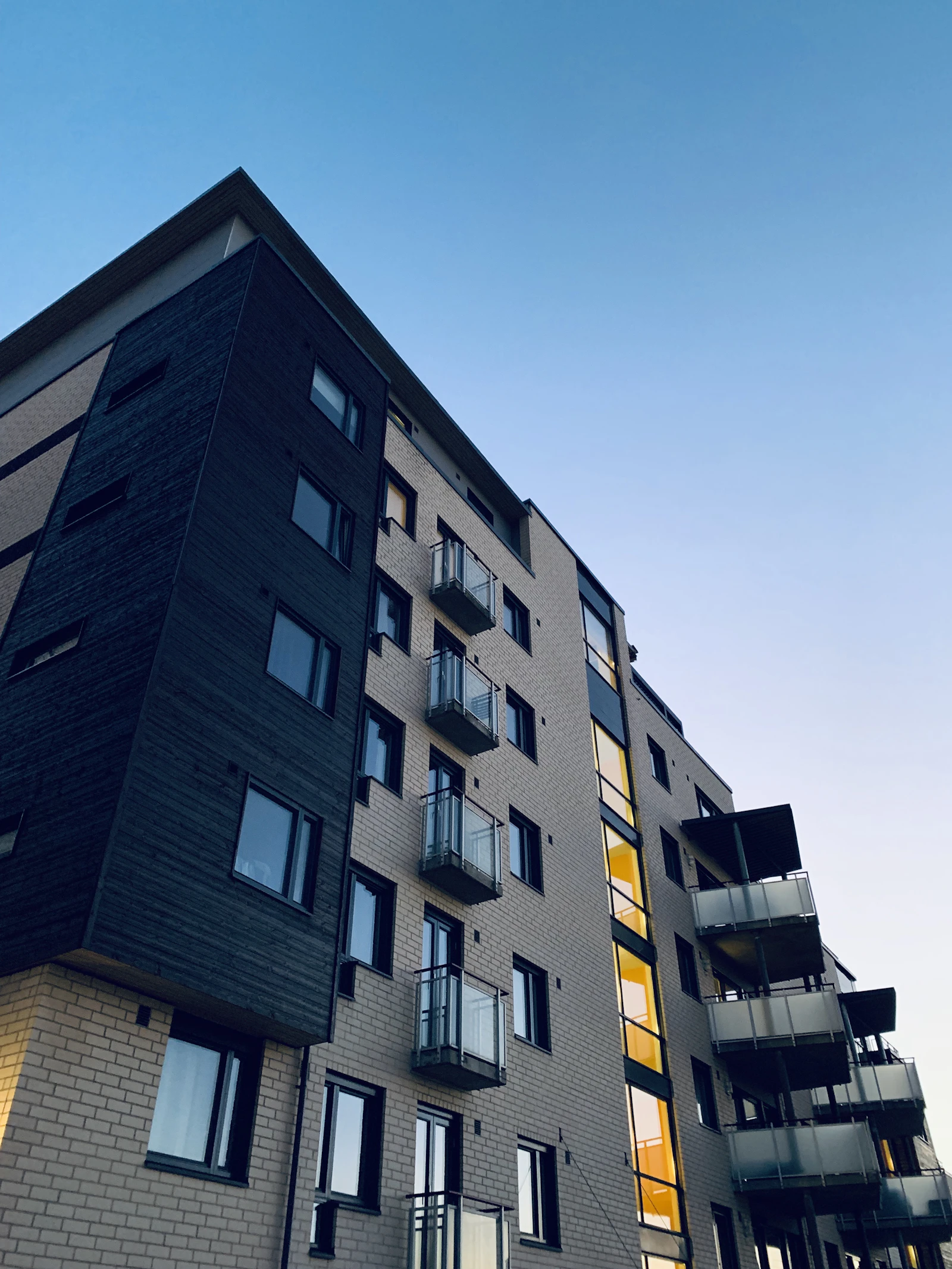

A glass panel breaks on the fourteenth floor. The property manager calls a glazier, who asks four questions: what thickness, tempered or laminated, what interlayer, and what system holds it. Nobody in the building can answer any of them. What follows is a site visit to measure, a photograph sent to three fabricators for identification, a guess at the hardware, and a replacement panel that arrives six to ten weeks later and does not quite fit. The balcony has been out of service the whole time. None of that was caused by the broken glass. It was caused by a missing record.
The minimum viable railing record
This is not an elaborate asset management exercise. For most buildings it is a two-page document plus a drawing set, and it answers every question that will ever be asked in an emergency.
- System type and manufacturer — top-mount, face-mount, wall-mount, bypass, picket — with the model or series designation if one exists.
- Installation year, the fabricator, the installer, and the general contractor if different.
- Glass make-up: nominal thickness, tempered or laminated or both, interlayer type and thickness, whether heat-soak testing was performed, and the glass fabricator.
- Finish: RAL number or colour designation, the coating product and its performance class, or for anodized components the coating thickness and class. A colour name from a brochure is not enough to match fifteen years later.
- Hardware: base shoe or spigot or standoff model, gasket profile, setting block type and dimensions, fastener specification.
- Anchorage: anchor type, diameter, embedment, and any post-installed anchor product data.
- Design basis: the wind pressures and guard loads the system was engineered for, and the engineer of record.
- Document references: shop drawing set number and revision, the stamped engineering, and where the physical or digital copies live.
- Warranties: each one, with the warrantor, the term, the expiry date and the notice requirements.
- Quantities by elevation, in linear metres and panel counts.
- Spare stock: what is held, how many, and where.
Where the information lives before you lose it
For a building under about fifteen years old, most of this exists somewhere. The closeout package handed over at substantial completion is the primary source, and on newer buildings it is often a digital archive nobody has opened. The approved shop drawings carry the technical detail — profiles, glass make-up, anchor details, dimensions — and they are the single most valuable railing document a building can hold. The submittal package will contain the coating product data and the glass specification. Purchase orders and packing lists frequently record the powder coating batch and the RAL designation.
One underused source: the fabricator's own archive. A firm that has been in business for decades keeps job records, and a phone call with a building address and an approximate year will often produce the whole package in an afternoon. That path closes when the fabricator does, which is one more reason not to defer this until the information is needed.
Identifying a railing when nothing was kept
Plenty of buildings have nothing at all. The system can still be identified with a reasonable degree of confidence from physical evidence, and the work takes an afternoon.
- Photograph the makers' mark. Tempered glass carries a permanent mark, usually etched or ceramic-fired into one corner, identifying the fabricator and typically referencing the safety glazing standard it was made to. That single photograph often identifies the source and the vintage.
- Measure the glass thickness. A glass thickness gauge does it in seconds without removing anything, and it also reveals whether the panel is monolithic or laminated.
- Photograph and measure the extrusion profile in section wherever an end condition or a cut is visible. Fabricators recognize their own profiles and their competitors' immediately.
- Record post spacing, guard height, base plate dimensions and bolt pattern.
- Photograph the fastener heads and the hardware. Proprietary hardware narrows the field fast.
- Note whether the base shoe is a continuous proprietary profile, a series of individual spigots, or standoff hardware through the glass — these are entirely different systems and they take entirely different parts.
- Send the package to two or three fabricators. Most can identify a system, or at least a compatible replacement approach, from three photographs and two dimensions.
The makers' mark in the corner of a tempered panel is the most useful thirty seconds of documentation work available to any building manager.
A location convention that survives staff turnover
Records fail as often on ambiguity as on absence. A photo captioned north balcony third floor is useless in a 200-suite building with three north-facing stacks. Adopt one convention, write it on the drawing set, and use it in every photograph filename, work order and inspection note: building or tower, elevation, floor, unit, and bay or panel number where a suite has more than one. Consistency matters far more than elegance. The test is whether a property manager hired next year can stand in front of the right panel using only the record.
Mark the panels physically where the building's aesthetics allow it — a small discreet label on the inside face of the base shoe survives weather and does not read from the street. Where labelling is not acceptable, an annotated elevation drawing serves the same purpose, and every building should have one regardless.
Spare stock is documentation you can install
The best record in the world does not shorten a fabrication lead time. Glass for guards is made to order, and a matching replacement panel commonly takes weeks rather than days once engineering confirmation, fabrication and freight are accounted for. Buildings that hold attic stock — a small percentage of total panels, plus a handful of gaskets, setting blocks and fasteners — restore a balcony in days instead of months.
Buy it at installation, when the run is already in production and the marginal cost is low. Store panels upright in a rack, dry, edge-protected and away from foot traffic; glass stored flat and stacked without separators gets damaged before it is ever used. Log what is held, log every withdrawal, and re-order after each use — the most common failure mode is a building that had spares in 2019, used them, and never noticed the shelf was empty. Colour and coating matching also becomes progressively harder as a facade weathers, which is another argument for buying spares from the original run.
Keeping the record alive
Documentation decays at management transitions. A new property management firm inherits a shared drive with no index, and within two years the railing file exists but nobody knows it does. Three habits prevent that: a single index document that lists what exists and where, updated whenever anything is added; a handover checklist that explicitly names building envelope and railing records as items to be transferred and acknowledged; and a link between the railing record and the reserve fund study, so the document gets opened at every study cycle whether or not anything has gone wrong. If the building runs a maintenance management system, railings should be an asset in it with a defined inspection interval, not an item that only appears when someone files a complaint.
Frequently Asked
Cannot identify what is on your building
Send us photographs of the glass makers' mark, the base detail and a section through the post. With 30 years of commercial railing work behind us, we can usually tell you what you have. Reach Katena at (514) 821-0842 or [email protected].
Get a Quote